
Classroom management doesn’t have to mean constantly redirecting, repeating yourself, or feeling like you’re putting out tiny fires all day long.
The secret to a calmer classroom isn’t stricter rules…it’s better systems.
These 7 classroom management tools help students understand:
what to do
when to do it
and how to do it
…without needing to ask you every five minutes.
Below, I’ll walk you through why each tool works and exactly how to use it so you can implement it immediately (and actually see a difference).
This site contains affiliate links, view the disclosure for more information.
1. Adhesive Pencil Holders (Desk-Mounted Pencil Storage)
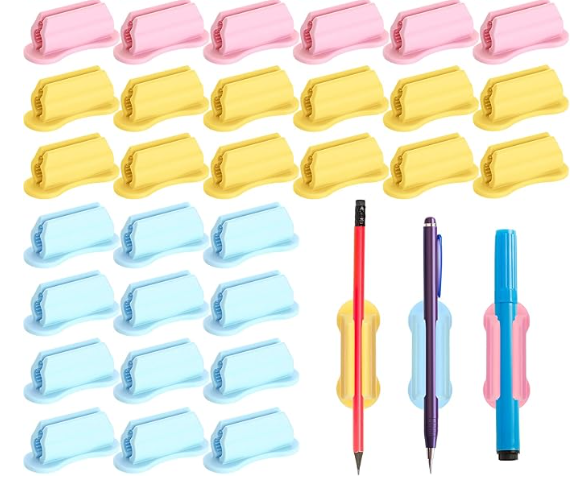
Why these are amazing:
Lost pencils = constant interruptions. Desk-mounted pencil holders eliminate one of the most common classroom distractions before it even starts.
How to use it in your classroom:
Stick one pencil holder to each desk (or table spot).
Store one sharpened pencil per student - no extras, no trading.
If a pencil breaks? Students swap it during a designated transition time (not mid-lesson).
Why it creates calm:
Students stop roaming, borrowing, and interrupting. You gain back minutes of instructional time every day - quietly.
Get them here 👉 Adhesive Pencil Holders A.K.A The Best Classroom Pencil System
2. Wireless Doorbell or Chime (Attention Signal)
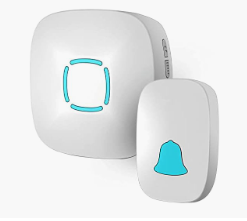
Why it’s amazing:
Your voice shouldn’t be your main classroom management tool. A neutral sound cue is more effective and saves your energy.
How to use it in your classroom:
Teach students: When you hear the chime, freeze, look, listen.
Practice it repeatedly during the first week (yes, even when it feels silly).
Use it for transitions, group work resets, and quick attention grabs.
Pro tip:
Avoid overusing it. The power is in consistency, not volume.
Why it creates calm:
The room resets without yelling - and students respond faster because the cue is predictable.
Get it here 👉 Wireless Doorbell for Classrooms
3. Voice Level Chart (Visual Noise Expectations)
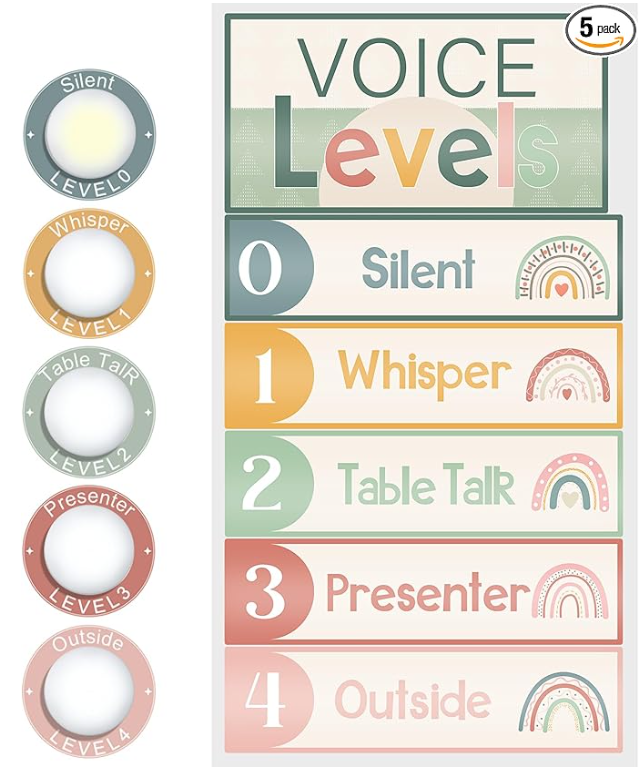
Why it’s amazing:
“Lower your voice” is vague. A voice level chart makes expectations clear and visual.
How to use it in your classroom:
Explicitly teach what each level sounds like (model it!).
Change the level before an activity begins.
Refer to the chart instead of verbally correcting.
Example:
“Right now we’re at Level 1 - whisper voices.”
Why it creates calm:
Students self-monitor instead of relying on constant reminders from you.
Get it here 👉 Effective Voice Level Chart with Push Lights for Classroom Management
4. Classroom Hand Signal Cards (Non-Verbal Communication)
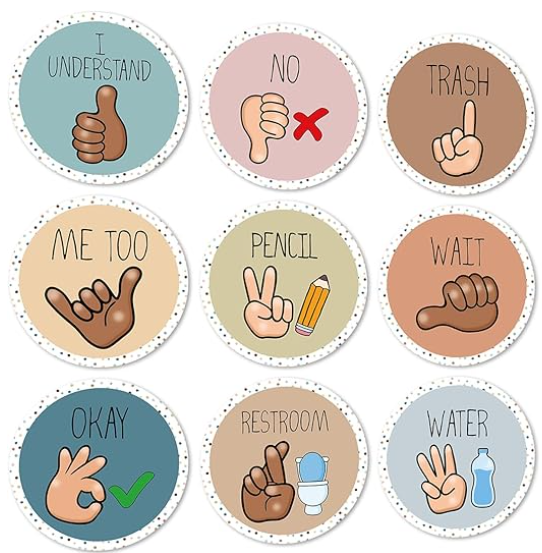
Why it’s amazing:
Bathroom questions, water requests, and “Can I…?” interruptions add up fast.
How to use it in your classroom:
Teach hand signals for common needs (bathroom, water, help, break).
Respond with a nod, thumbs up, or quiet signal back.
Reinforce that students should not interrupt instruction verbally.
Why it creates calm:
The flow of teaching continues - and students still feel supported.
Get them here 👉 Classroom Hand Signal Visuals for Non-Verbal Communication!
5. Sand Timers (Concrete Time Awareness)
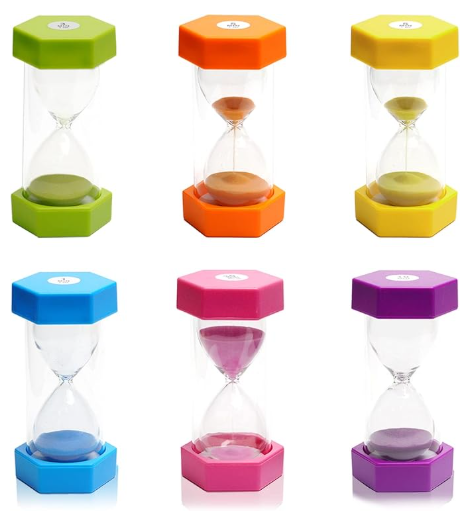
Why it’s amazing:
Time is abstract for kids. Sand timers make it visible and finite. Plus, they come in 1/3/5/10/20/30 minute timers, so you and your students can decide what’s best!
How to use it in your classroom:
Use them for partner work, cleanup, turns, or calming breaks.
Place the timer where all students can see it.
Let the timer be the “bad guy,” not you.
Why it creates calm:
Students stop asking “How much time is left?” and start managing themselves.
Get them here 👉 Classroom and Time Management Sand Timers for Students!
6. Visual Countdown Timer (Whole-Class Time Management)
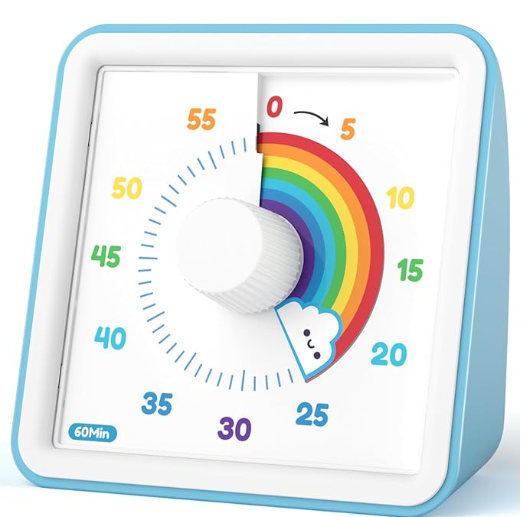
Why it’s amazing:
This is one of the most powerful tools for reducing transition chaos.
How to use it in your classroom:
Set it before transitions, independent work, or tests.
Teach students to check the timer instead of asking you.
Use it consistently so students trust it.
Why it creates calm:
Predictability lowers anxiety and smoother transitions mean fewer behavior issues.
Get it here 👉 Whole-Class and Small Group Visual Timer
7. Lap Desk Trays (Defined Personal Workspace)
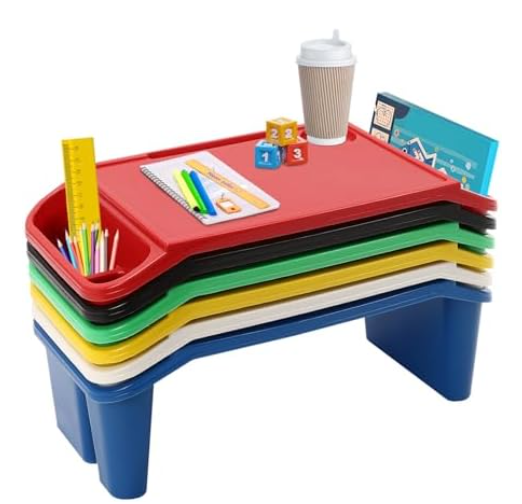
Why it’s amazing:
Students work better when their materials - and bodies - feel organized.
How to use it in your classroom:
Use during flexible seating, floor work, or small groups.
Store notebooks, clipboards, or task cards inside.
Assign one per student or per workspace.
Why it creates calm:
Less movement around the classroom, fewer dropped materials, and more focused work time.
Get them here 👉 Lap Desk Trays for Independent Work (Around the Classroom)
Why These Tools Work (And Charts Alone Don’t)
These tools aren’t about control - they’re about clarity.
They work because they:
reduce decision fatigue for students
replace verbal reminders with visual systems
create consistent routines students can rely on
When systems run smoothly, behavior improves naturally.
Final Thoughts: Calm Classrooms Are Built on Simple, Repeatable Systems
These tools aren’t about adding more to your plate - they’re about making your day flow better.
When students know exactly what to do, how to transition, and how to manage themselves, the classroom feels smoother. More focused. More joyful.
The goal isn’t perfection.
It’s predictability.
And with the right classroom management tools supporting your routines, you’ll notice something powerful:
You’re not managing every little thing anymore.
You’re teaching.
And that’s the whole point.
Xo, Alexa
